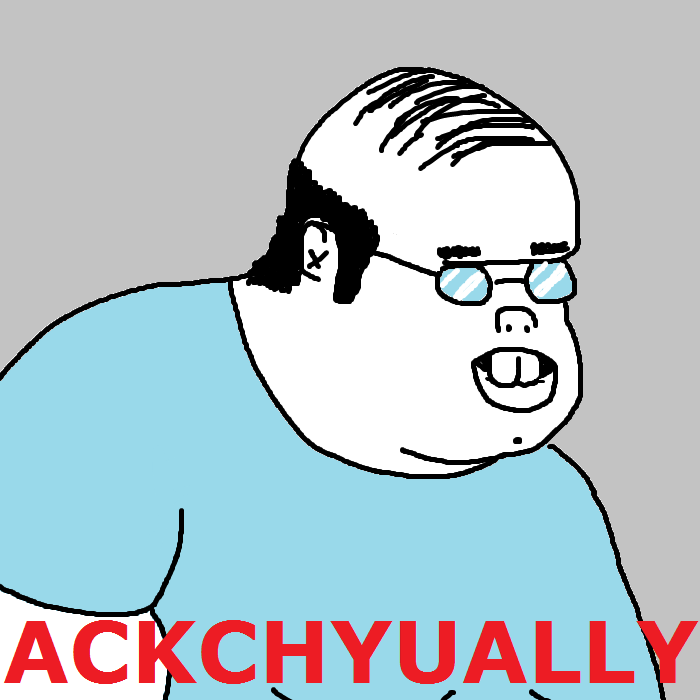
"Americans now believe that having equal rights in a political system also means that each person's opinion about anything must be accepted as equal to anyone else's."
Nine books to check your biases at the door — before the next mocktail party.
"Americans now believe that having equal rights in a political system also means that each person's opinion about anything must be accepted as equal to anyone else's."
To check your biases at the door at the next mocktail party.
Darrell Huff · 1954
The 70-year-old classic primer on misleading data. Univariate vs. multivariate, sampling tricks, the Peterson-vs-Newman pay-gap argument predates you by half a century.
View on Amazon →Carl Bergstrom & Jevin West · 2020
A modern field guide for the data-driven era — built from the authors' University of Washington course of the same name. Best-in-class for spotting charts that lie.
View on Amazon →Daniel Kahneman · 2011
The Nobel laureate's catalog of cognitive biases. System 1 and System 2 — why your gut is wrong about probability, and what to do about it.
View on Amazon →Tom Nichols · 2017
The book that gave us the quote above. Why "I read it on the internet" is not equivalent to a decade of credentialed study — without being insufferable about it.
View on Amazon →Hans Rosling · 2018
Ten reasons we're wrong about the world — and why things are better than you think. Bill Gates called this "one of the most important books I've ever read."
View on Amazon →Carl Sagan · 1995
Sagan's "baloney detection kit" is still the cleanest single chapter on critical thinking ever written. Pseudoscience, conspiracy thinking, and the value of science as a candle in the dark.
View on Amazon →Ben Goldacre · 2008
A doctor's tour of dodgy nutritionists, MMR-vaccine panic, homeopathy, and bad pharma trials. The chapter on how to read a medical journal is genuinely life-changing.
View on Amazon →Robert Cialdini · 1984
The original taxonomy of persuasion levers — reciprocity, scarcity, authority, social proof. Once you've read it, you'll catch ads and political ads doing all six on you in real time.
View on Amazon →Cailin O'Connor & James Owen Weatherall · 2019
How false beliefs spread through social networks — not just political ones but scientific ones too. Why "the science is settled" is rarely as settled as the press makes it sound.
View on Amazon →Links use the Amazon Associates program. We may earn a small commission if you buy. Doesn't affect the recommendations — these are the books we keep beside our desks.
Try the live demo or install the extension.